AI and Sustainable Innovation: Accelerating Mauritius’s Transformation Through New Technologies

AI and Sustainable Innovation: Accelerating Mauritius’s Transformation Through New Technologies

Aug 18, 2026

Date: 5 August 2026 

Venue: Turbine, Les Kocottes, Saint-Pierre  

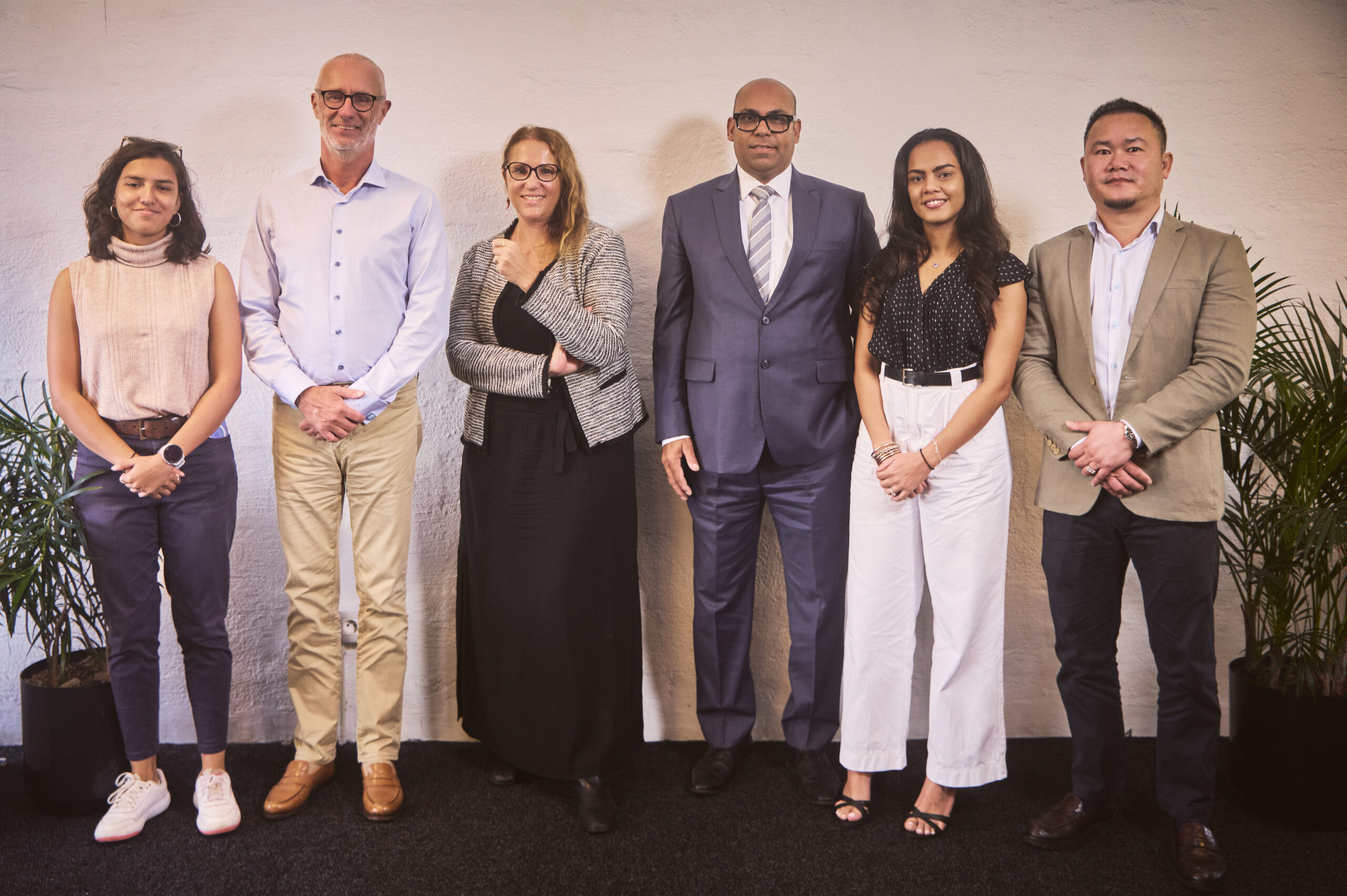
Moderator: Marc Israel, Artificial Intelligence Expert & mentor at Turbine 

Panellists: 

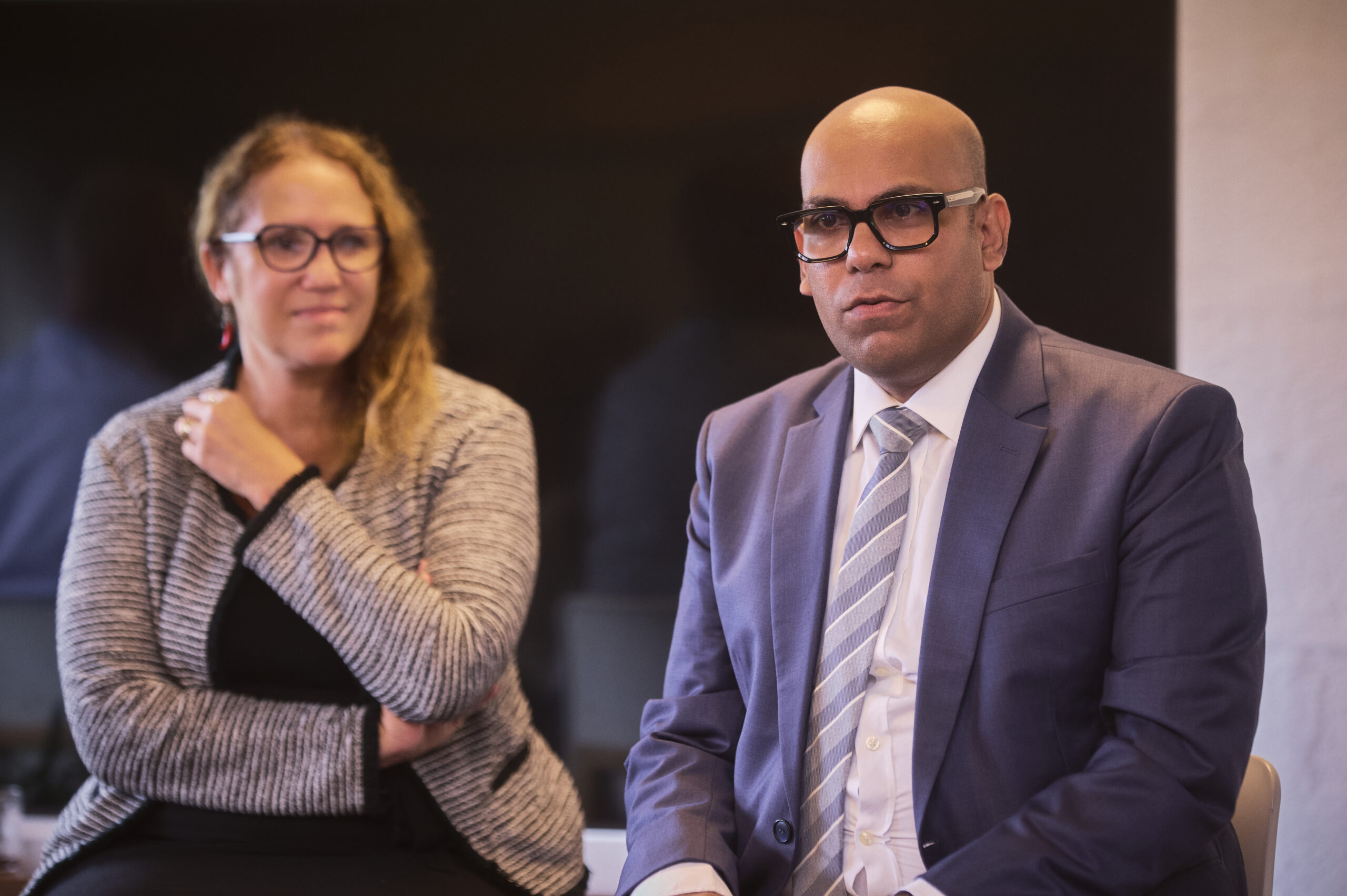
  • Harry Coolen, SME Banking Manager, Mauritius Commercial Bank 
  • Anielle Carver, Sustainability Manager, ER Property  
  • Caroline Rault, Chief Sustainability Officer, Eclosia 
  • Kam Li Fap Kien, Senior Business Strategy Manager, Blue Azurite 

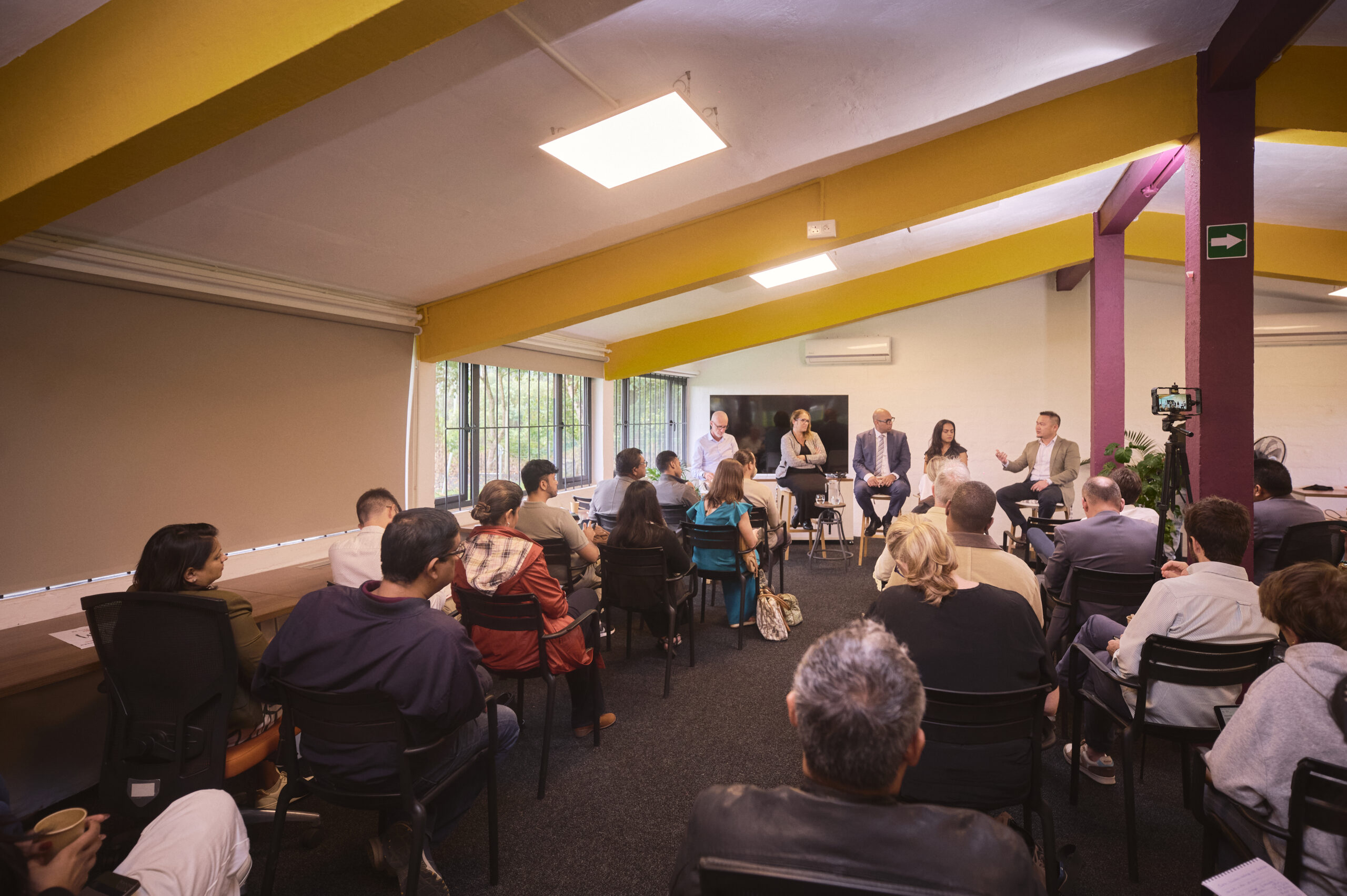
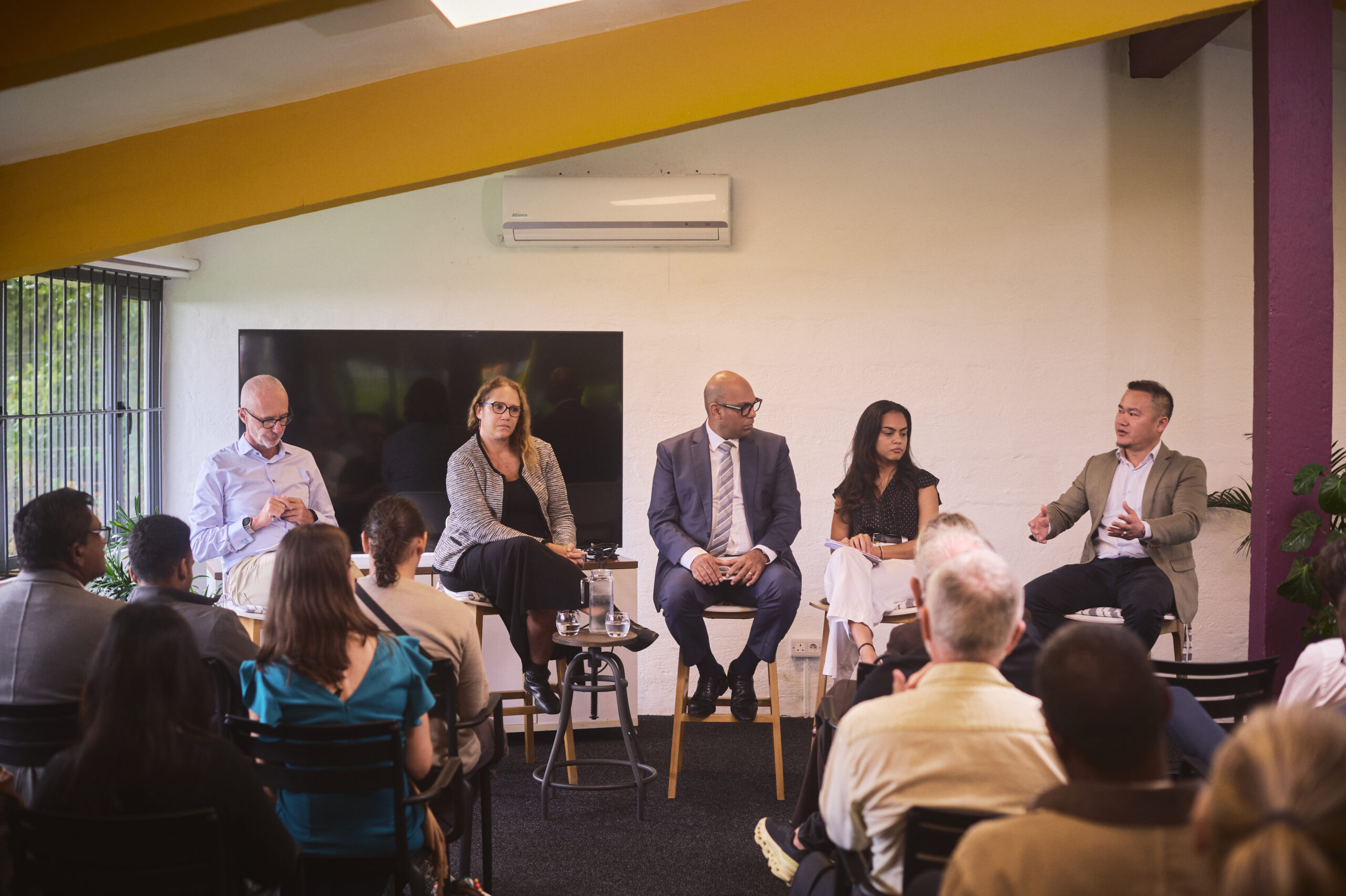
 As part of the Innovation Challenge 2026, Turbine hosted a panel discussion on the 5th of August at its Saint-Pierre premises. Under the theme “AI and Sustainable Innovation: Accelerating Mauritius’s Transformation Through New Technologies,” the conversation explored how businesses are already using artificial intelligence, its potential to advance sustainable development, its environmental cost, and the conditions required for responsible adoption. 

The discussion also surfaced entrepreneurial opportunities linked to AI and examined the various forms of support available to project leaders and start-up founders. 

How Are Businesses Already Using Artificial Intelligence? 

Panellists demonstrated that AI is already woven into a wide range of business processes from data analysis and organisation to idea generation and case processing. 

At Eclosia, Caroline Rault explained that ChatGPT is used to support strategic thinking and help process large volumes of non-financial data. 

At MCB, AI adoption is already well structured. Harry Coolen noted that Copilot is now part of the bank’s toolkit. An initial credit file review that once took one to two hours can now be completed in a matter of minutes. This time saving allows analysts to focus on interpreting results and applying their own professional judgement. “We don’t believe AI will replace people. It will instead help analysts become more efficient and dedicate more time to genuine analysis,” he said. 

AI is also used for market research, legal document processing, and adapting templates to different needs. Its rollout across the bank follows a defined roadmap, but according to Harry Coolen, AI is already embedded in MCB’s culture. 

At ER Property, Anielle Carver described the use of Copilot and Claude to speed up data processing and streamline internal workflows. AI also plays a role in territory management — tracking water and electricity consumption, for example, or managing Moka City’s electric bike fleet. 

Kam Li Fap Kien,Blue Azurite, cited the use of AI in KYC processes, data verification, financial ratio analysis, and the preparation of documents required for regulatory compliance. 
How Are Businesses Applying AI to Sustainable Development? 

One of the most promising applications lies in more efficient resource management. 

In territories managed by ER Property, smart sensors already allow residents and businesses to monitor their water and energy consumption. “The first step is understanding your consumption. Once you know it, you’re better placed to reduce it.” 

For Harry Coolen, AI can also support importers navigating disrupted supply chains. By identifying alternative shipping routes, AI could help reduce transit times, costs, and associated emissions. 

Other applications discussed included transport optimisation, shared mobility management, and waste sorting and recovery. 

The Environmental Cost of AI: A Paradox Worth Considering? 

The discussion also highlighted a tension between AI’s potential to support sustainability and the environmental footprint of the infrastructure that powers it. 

Marc Israel questioned the wisdom of attracting data centres to Mauritius, given the country’s continued reliance on carbon-intensive electricity and its existing water management challenges. 

For Anielle Carver, AI and sustainability share, in principle, a common goal: doing more with less. However, it would be naïve to overlook the significant water and electricity demands of data centres and AI models. “The question is whether the value AI creates outweighs the resources it consumes. In an island context, we need to proceed with caution,” she said. 

She noted that Mauritius has limited resources and infrastructure that isn’t always suited to these emerging needs. AI adoption, she argued, must therefore be guided by clear trade-offs, prioritising use cases that address genuine problems. 

How Should AI Use Be Governed? 

Training was highlighted as one of the key conditions for successful AI adoption. 

According to Harry Coolen, every business needs to understand how the technology applies to its sector and how it can be integrated into existing processes: “AI is used differently depending on the activity. You need to understand how to adopt it and how to put it into practice. Training is essential.” 

He also noted that, amid foreign currency scarcity and heavy reliance on imports, AI could help Mauritian businesses explore new markets. 

“We absolutely must ensure that AI is used correctly and for the common good. Without a solid governance framework, we’re heading straight into a wall,” Caroline Rault stressed. 

Data protection and tool security were also discussed. Harry Coolen confirmed that the platforms used at MCB are properly configured and secured. He called for greater collaboration between businesses, banks, regulators, and public institutions to govern data use effectively. 

Audience questions also touched on inaccurate outputs produced by some AI models and the potential loss of human skills over time. 

What Entrepreneurial Opportunities Exist for Mauritius? 

The discussion closed by turning to future Innovation Challenge 2026 candidates, with panellists fielding questions on innovation within start-ups, particularly those built around AI. 

Several high-potential areas emerged from the conversation. 

Caroline Rault pointed to the opportunities offered by Mauritius’s vast Exclusive Economic Zone. AI, combined with satellite data and drones, could help monitor illegal fishing, map mangroves and seagrass beds, and track coral bleaching events. 

Anielle Carver cited terrestrial biodiversity protection, sustainable mobility, transport optimisation, and waste recovery. In her view, the priority isn’t building new infrastructure but integrating AI into existing projects and action plans. She specifically referenced significant water losses across the national network — AI, she suggested, could help detect leaks, assess their severity, and direct technicians more quickly to priority interventions. 

Harry Coolen highlighted AI’s potential to help Mauritian businesses access regional markets — supporting entrepreneurs in analysing trends, identifying opportunities, building prototypes, and strengthening business plans before committing to significant investment. 

Supporting Entrepreneurs Beyond Financing 

All four panellists agreed that financing alone isn’t enough to guarantee a young company’s success. 

Through the Eclosia Angel Fund, Eclosia offers not only financial support but also strategic mentoring and skills-based sponsorship. When an entrepreneur needs marketing expertise, for instance, they can be connected with a group employee who has the relevant know-how. 

Kam Li Fap Kien explained that Blue Azurite supports entrepreneurs in structuring their business, preparing business plans, developing financial projections, and securing funding applications. 

Anielle Carver emphasised the importance of giving start-ups the opportunity to test their solutions. ER Property can also open its network to founders, connecting them with relevant group entities when a solution addresses a genuine, concrete problem. 

MCB, for its part, supports young businesses through its partnership with Turbine — offering incubation, business plan support, networking opportunities, and, in some cases, integration into its supply chains. 

Harry Coolen also stressed the importance of market access: “Having funds isn’t enough if there’s no market able to absorb what you produce.” 

The message to entrepreneurs was clear: Mauritius’s constraints can become opportunities — provided founders start from real, concrete problems, keep their critical thinking sharp, and draw on the expertise available across the ecosystem.